About Eccleshall CFRs
Trained volunteers saving lives in our community since the scheme began.
What We Do
Eccleshall Community First Responders (CFRs) are a group of volunteers trained by West Midlands Ambulance Service to a nationally recognised level. We provide life-saving treatment to people in the local community while waiting for the ambulance to arrive.
We respond to 999 calls in the Eccleshall area, giving medical aid — including CPR and defibrillation — until the Ambulance Service arrive on scene. Every minute without treatment in a cardiac arrest dramatically reduces survival chances, so having trained responders nearby makes a real difference.
Our Training
All our responders are trained by West Midlands Ambulance Service. Training covers CPR, AED (defibrillator) use, airway management, and a range of medical emergencies. This training is provided free to volunteers and is updated regularly to maintain nationally recognised standards.
Queen's Award for Voluntary Service
On 2nd June 2017, Eccleshall CFRs were awarded the Queen's Award for Voluntary Service — the highest award given to local volunteer groups across the UK. The citation recognised our work in providing emergency medical aid, training, and lifesaving equipment to those living and working in the local community.
How We're Funded
We receive no funding from central sources. Our volunteers give their time for operations and training freely. The money needed for day-to-day running costs, equipment, uniforms, and our vehicle is raised through fundraising events and public donations.
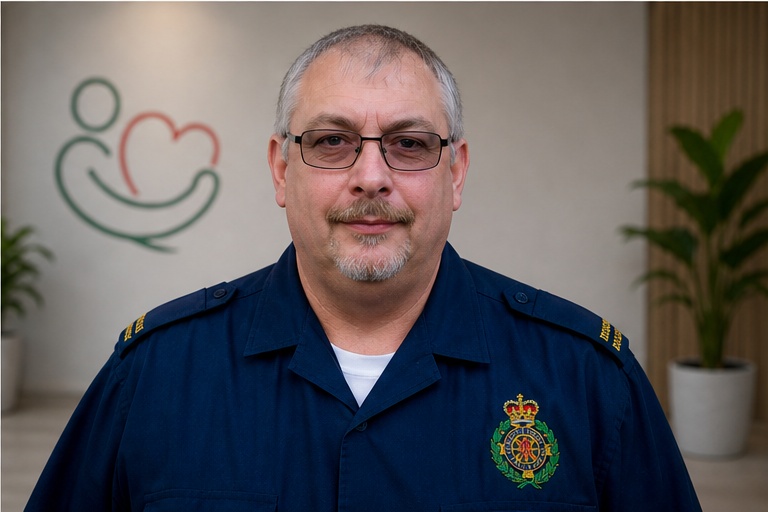
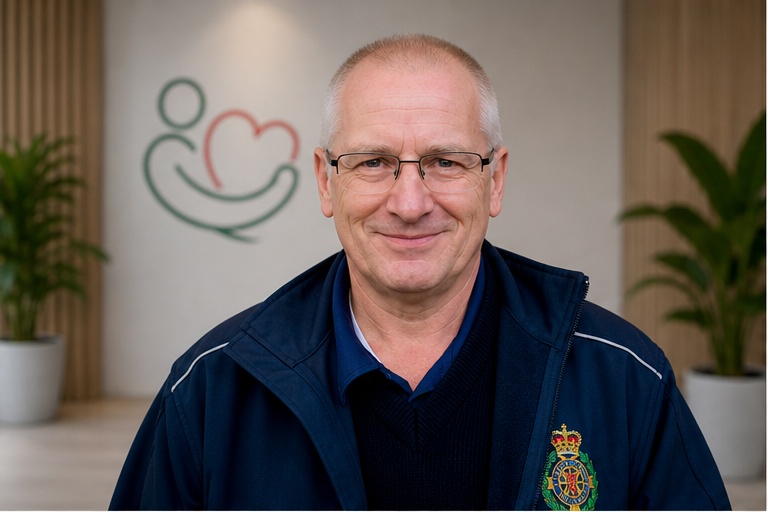
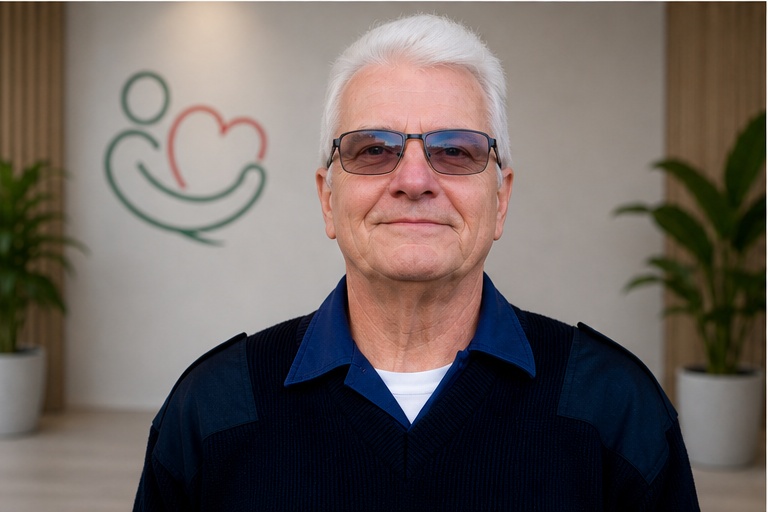
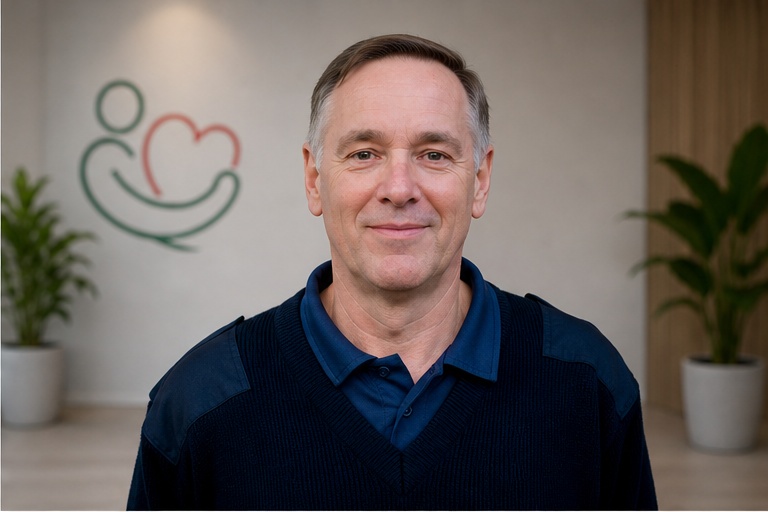
Support usMeet the Team
The volunteers who respond to 999 calls in Eccleshall and the surrounding area.
In a Medical Emergency
If you witness a cardiac arrest or serious medical emergency, fast action saves lives. Every minute without CPR reduces survival chances by around 10%.
Call 999
Call immediately. Give your location clearly. The operator will stay on the line and guide you through what to do next.
Start CPR
If the person is unresponsive and not breathing normally, begin chest compressions. Place both hands on the centre of their chest and push hard and fast — around 100–120 compressions per minute.
Use a defibrillator
If an AED is available, use it as soon as possible. It will talk you through every step and will only deliver a shock if one is needed — you cannot harm someone by using it.